


Table of contents
1. Understanding the Cultural Backgrounds of Your Students
2. Creating an Inclusive Learning Environment
3. Utilizing Multicultural Resources and Activities
4. Effective Communication Strategies in a Multicultural Classroom
Understanding the Cultural Backgrounds of Your Students
In a multicultural classroom, it is crucial for TEFL teachers to have a deep understanding of the cultural backgrounds of their students. This includes being aware of their customs, traditions, beliefs, and values. By familiarizing yourself with the cultural nuances of your students, you can avoid unintentionally offending them and tailor your teaching approach to be more inclusive and respectful. Moreover, understanding the diversity within your classroom can help you create a more engaging and relevant curriculum that resonates with all students.
Creating an Inclusive Learning Environment
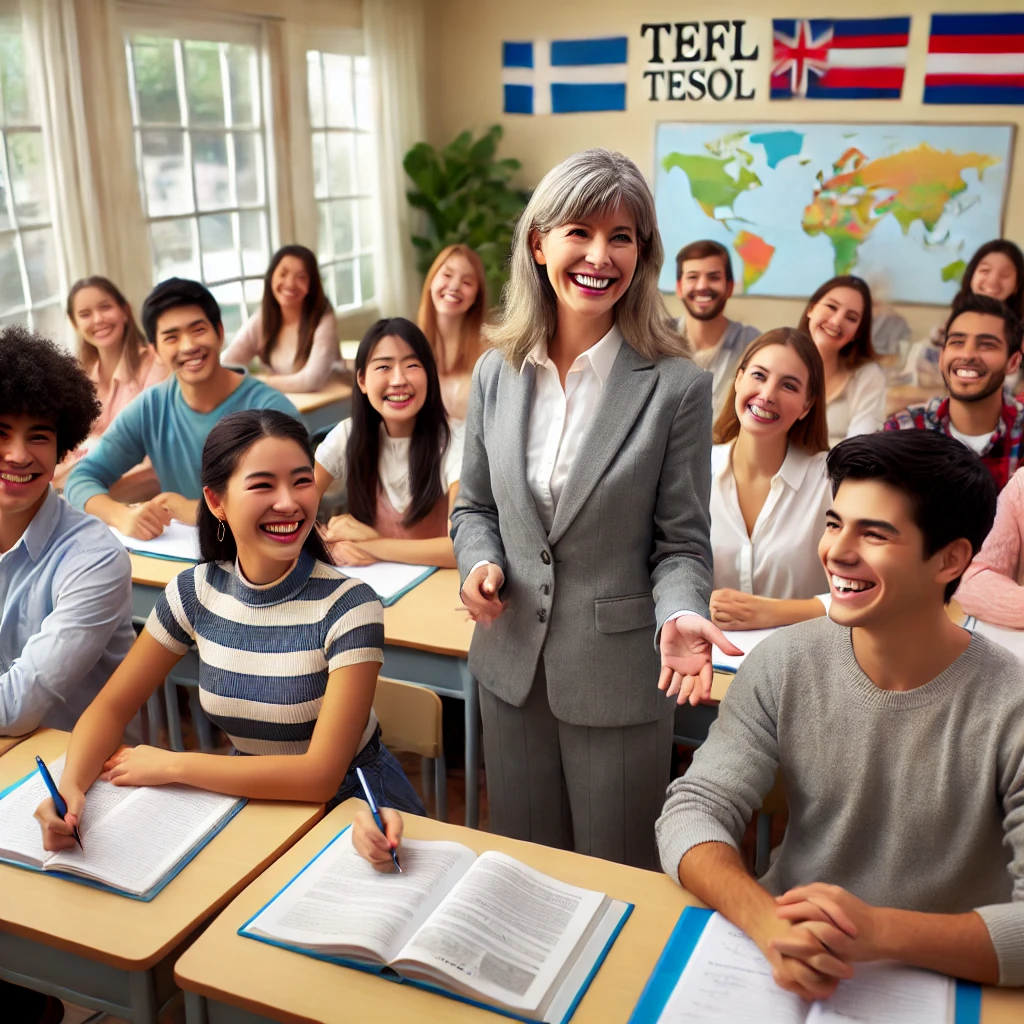
Creating an inclusive learning environment is essential for the success of a multicultural classroom. TEFL teachers can promote inclusivity by celebrating diversity, fostering respect among students, and encouraging open discussions about different cultures. It is important to create a safe space where students feel comfortable expressing their identities and sharing their unique experiences. By incorporating diverse perspectives into your teaching materials and activities, you can help students feel valued and represented in the classroom.
Utilizing Multicultural Resources and Activities
To enhance the learning experience in a multicultural classroom, TEFL teachers can utilize a variety of multicultural resources and activities. This includes incorporating literature, music, art, and films from different cultures into the curriculum. By exposing students to a wide range of cultural content, you can broaden their perspectives, promote empathy, and encourage critical thinking. Additionally, interactive activities such as cultural exchanges, role-playing exercises, and group projects can help students engage with diverse perspectives and develop their intercultural communication skills.
Effective Communication Strategies in a Multicultural Classroom
Effective communication is key to fostering a positive learning environment in a multicultural classroom. TEFL teachers should be mindful of language barriers, nonverbal cues, and cultural differences that may impact communication with students from diverse backgrounds. Using clear and simple language, providing visual aids, and encouraging active participation can help bridge communication gaps and ensure that all students feel included and understood. Furthermore, promoting collaborative learning opportunities and peer-to-peer interactions can facilitate cultural exchange and language practice among students.
