


Table of contents
1. Understanding the diverse needs of multicultural learners
2. Strategies for effective communication in a multicultural classroom
3. Incorporating cultural diversity into lesson planning
4. Creating an inclusive and supportive learning environment
Understanding the diverse needs of multicultural learners
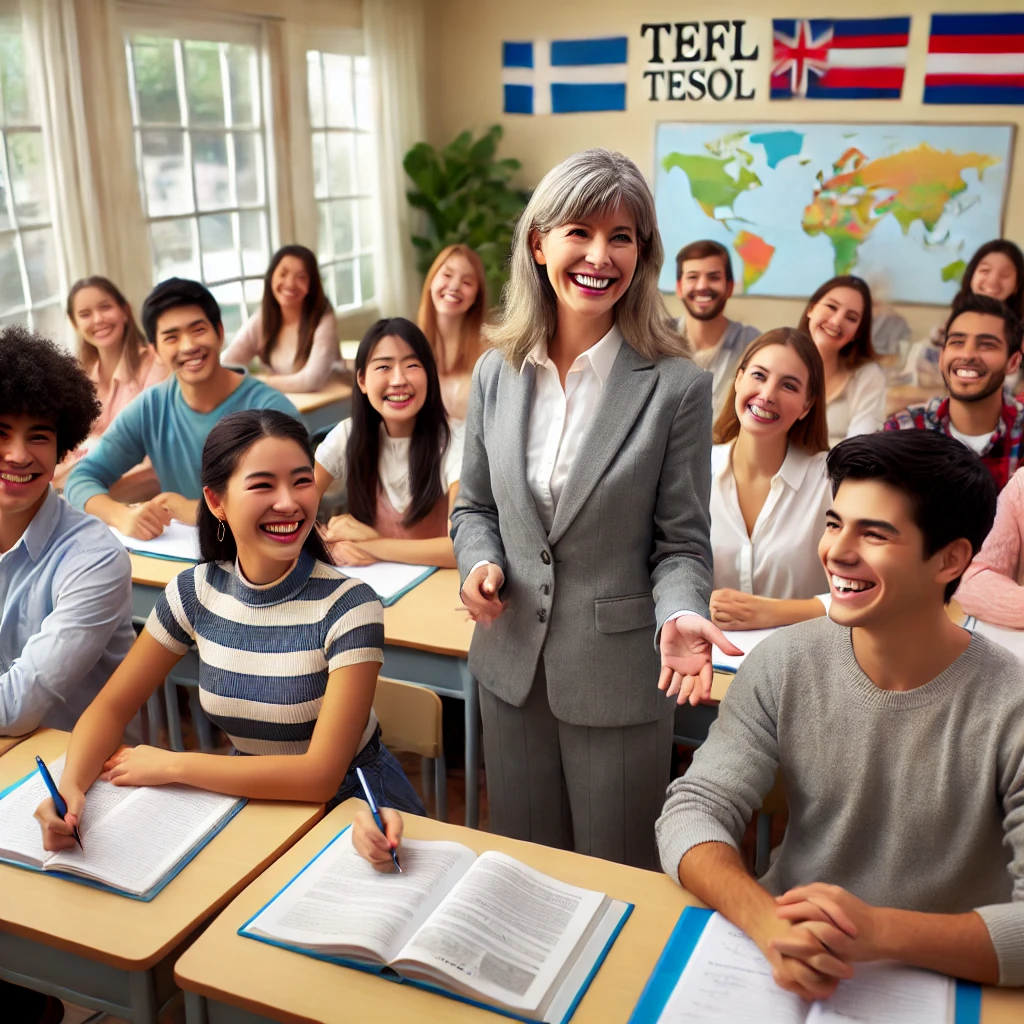
Teaching English in a multicultural classroom presents unique challenges and opportunities. It is essential to recognize that students come from diverse linguistic and cultural backgrounds, each with their own learning styles and needs. Some students may be more proficient in their native language, while others may have limited exposure to English. Understanding these differences is crucial in tailoring your teaching approach to meet the needs of all learners.
Strategies for effective communication in a multicultural classroom
Effective communication is key to successful language teaching in a multicultural classroom. Teachers should use a variety of strategies to ensure that all students can understand and participate in the learning process. This may include using visual aids, gestures, and real-life examples to make concepts more accessible. Additionally, providing opportunities for students to practice speaking and listening in English can help improve their language skills and confidence.
Incorporating cultural diversity into lesson planning
Incorporating cultural diversity into lesson planning can enrich the learning experience for students and foster a sense of inclusivity. Teachers can incorporate diverse cultural perspectives, traditions, and experiences into their lessons to make them more engaging and relevant to students. This can help students feel valued and respected, leading to a more positive and inclusive classroom environment.
Creating an inclusive and supportive learning environment
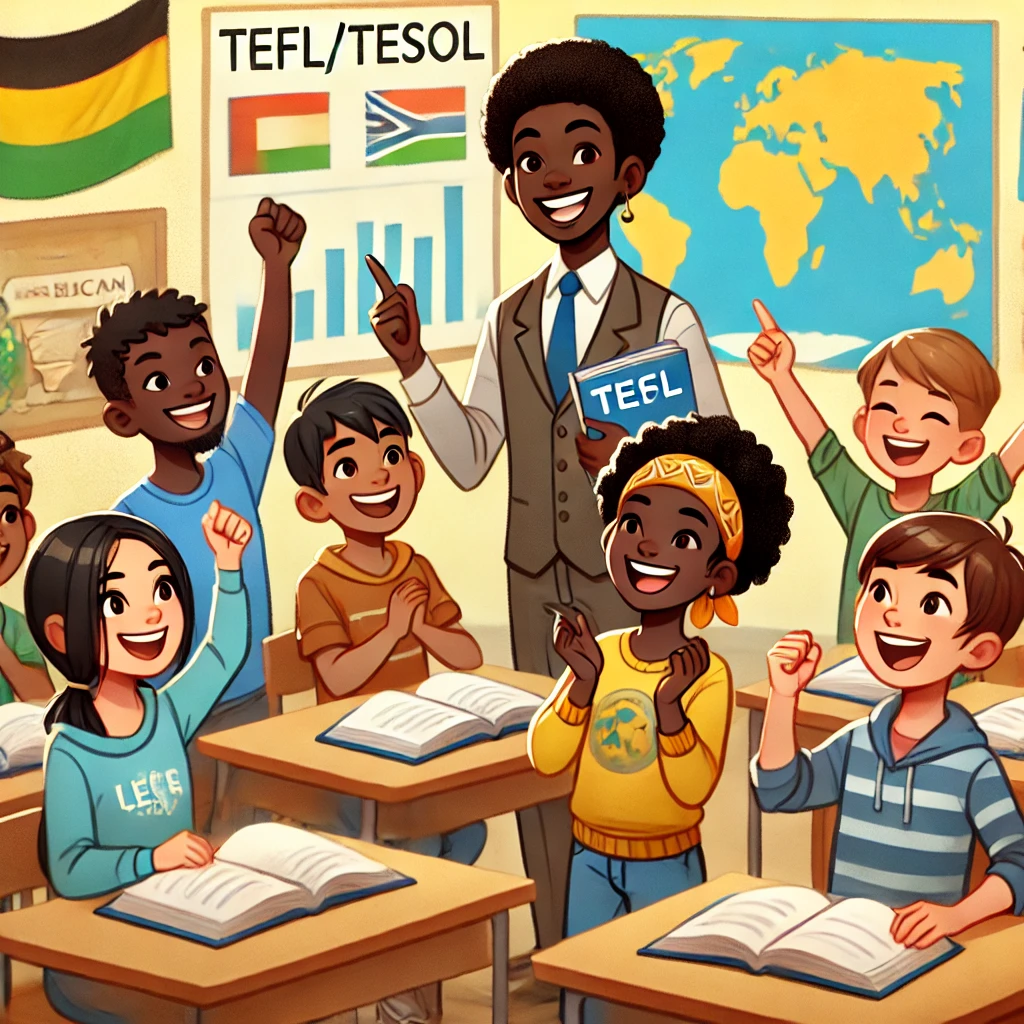
Creating an inclusive and supportive learning environment is essential for the success of multicultural classrooms. Teachers should foster a sense of belonging and acceptance among students by promoting mutual respect and understanding. Encouraging collaboration and peer interaction can help students learn from each other's diverse perspectives and experiences. Additionally, providing support for students who may be struggling with language barriers or cultural differences is crucial in helping them succeed academically and emotionally.
