


Navigating cultural differences is a crucial aspect of teaching English as a foreign language (TEFL). Understanding and respecting diverse cultural backgrounds can greatly impact the effectiveness of teaching and learning experiences. At ITTT (International TEFL and TESOL Training), we recognize the importance of addressing cultural differences in TEFL classrooms worldwide.
1. Importance of Cultural Awareness in TEFL
Cultural awareness plays a significant role in TEFL as it influences the way students perceive and interact with the language being taught. By acknowledging and embracing cultural diversity, teachers can create a more inclusive and supportive learning environment. Understanding students' cultural backgrounds helps teachers tailor their teaching methods to better suit the needs and preferences of their learners.

2. Strategies for Addressing Cultural Differences
ITTT provides comprehensive training on how to effectively address cultural differences in TEFL settings. Our courses offer practical strategies for promoting cultural sensitivity and inclusivity in the classroom. From incorporating multicultural content into lesson plans to fostering open discussions on cultural topics, our training equips teachers with the skills needed to navigate diverse cultural landscapes.
3. Building Cultural Competence in TEFL
Cultural competence is a key component of successful TEFL instruction. ITTT's programs focus on developing teachers' cultural competence by enhancing their understanding of various cultural norms, values, and communication styles. By promoting empathy and respect for cultural differences, teachers can create a more engaging and enriching learning experience for their students.
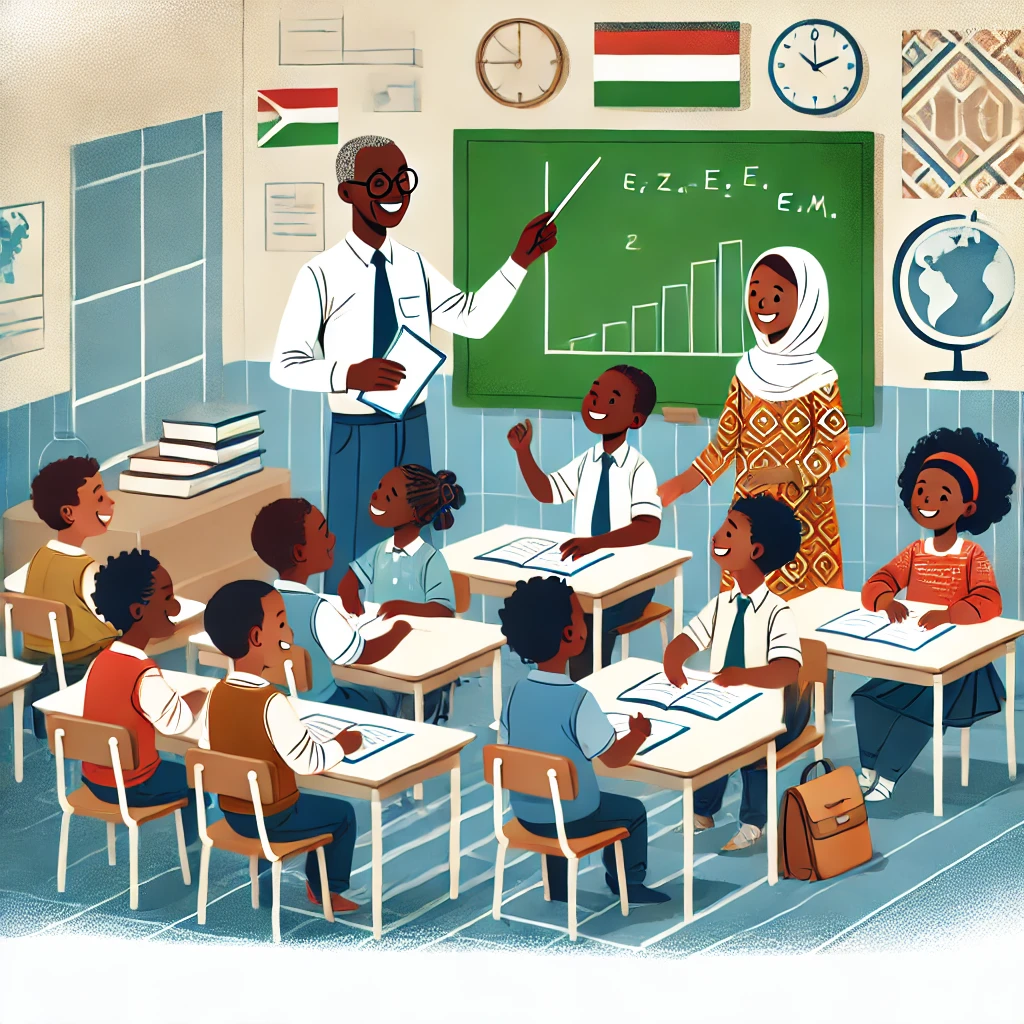
4. Enhancing Cross-Cultural Communication
Effective cross-cultural communication is essential in TEFL, as it facilitates meaningful interactions between teachers and students from different cultural backgrounds. ITTT emphasizes the importance of clear communication and active listening skills in bridging cultural gaps. Our training encourages teachers to adapt their communication styles to accommodate diverse cultural perspectives and preferences.
In conclusion, addressing cultural differences in TEFL is vital for creating inclusive and effective learning environments. ITTT's training programs equip teachers with the knowledge and skills needed to navigate cultural diversity in the classroom successfully. By fostering cultural awareness, competence, and communication, teachers can enhance the educational experience for their students and promote mutual understanding across cultures.
